- Apply
- Visit
- Request Info
- Give


Scroll

What is a bias-related incident?
A bias-related incident refers to an occurrence where individuals are targeted or affected based on prejudice, stereotypes, or discriminatory attitudes related to characteristics such as race, ethnicity, gender, religion, sexual orientation, or other protected attributes.
What is the Bias Incident Reporting Form?
The report is submitted directly to the Office of Equity and Diversity, who will respond via email or phone within 48 hours when the University is open to conduct additional inquiry and ensure the well-being of the affected individual(s) and campus community, while providing resources and options.
Eastern’s Office of Equity and Diversity encourages students and other members of the campus community to report bias-related incidents to promote an environment of inclusive excellence where all members of the Eastern Connecticut State University community feel welcome, included, and respected in a supportive environment that embraces diversity, equity, and fairness in all endeavors.
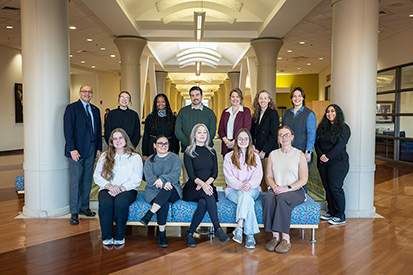
Sexual misconduct is a sobering reality on today’s U.S. college campuses. In response, prevention programs and victim support services continue to be implemented and expanded to promote campus safety and positive interpersonal relationships. At Eastern Connecticut State University, a formal structure has been created — the President’s Advisory Board on Interpersonal Violence and Campus Climate — to lead the University’s efforts in supporting healthy relationships while deepening the campus’s culture of inclusion, personal responsibility, and positive life choices.
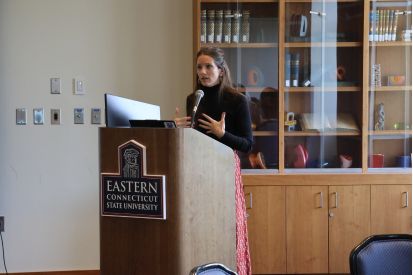
Eastern hosted the Housing Justice Brown Bag Lunch Series this spring 2026 semester, presented by the Center for Housing Equity & Opportunity (CHEO). The final session was held on April 29, when faculty members, housing advocates, and nonprofit leaders gathered in the Paul E. Johnson, Sr. Community Conference Room.
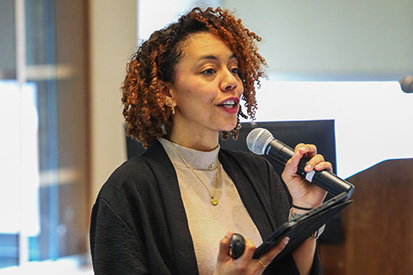
Eastern English Lecturer Bulaong Ramiz, a former identity center professional in higher education settings, has become a passionate advocate against improper practices in the offices she once served. On Feb. 19, she led an on-campus discussion encouraging attendees to speak up when higher education institutions fall short of their promises to protect marginalized populations.