- Apply
- Visit
- Request Info
- Give



Written by Kyle Berson '26
Published on November 06, 2026
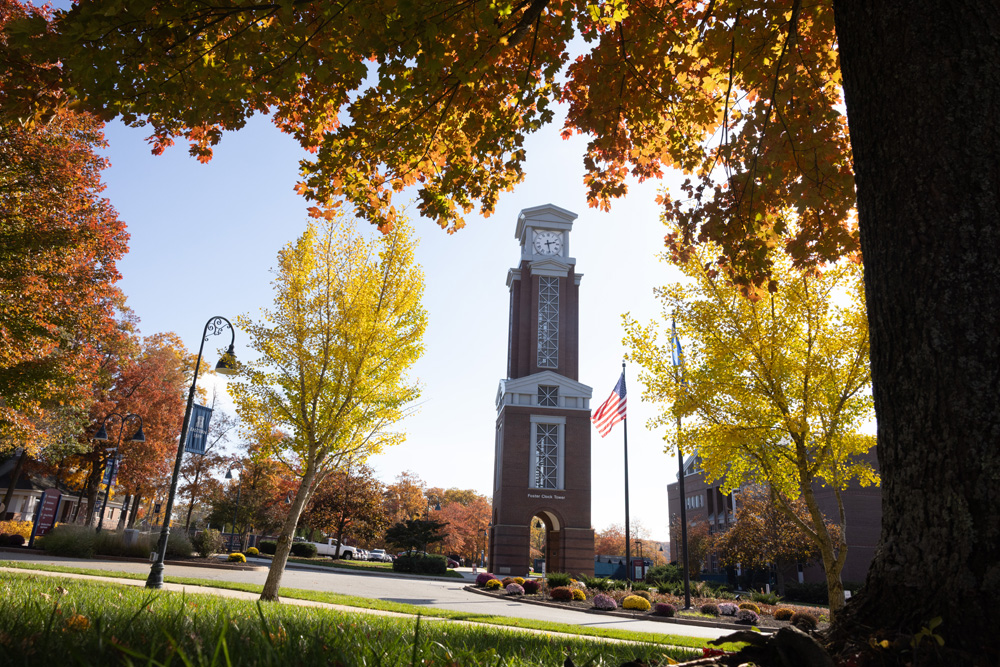
Eastern's Foster Clock Tower
A new career-focused program at Eastern Connecticut State University is preparing students for work in the diverse field of sustainability. Launching this fall semester, the Sustainability Pathway is open to students of all majors and offers specialized learning opportunities to develop leaders for environmental sustainability and social equity across broad industries.
The program joins the Emergency Services and Public Safety (ESPS) Pathway as Eastern’s second Career Pathways Program offering, which provides focused career exploration and readiness opportunities for select fields and industries.
Students in the Sustainability Pathway participate in three one-credit courses and a yearlong internship, gaining broad knowledge and practical skills to prepare the next generation of sustainability leaders.
The pathway helps students answer a core question: “How can I influence positive action on climate change?”
John Fournier, coordinator of the Career Pathways Program, says the program serves dual purposes.
“It helps link students to jobs working directly in sustainability fields, for example, in environmental consulting, research, and advocacy," he said. "It also helps students understand the importance of a sustainable and climate-resilient paradigm for any job they may find themselves in.”
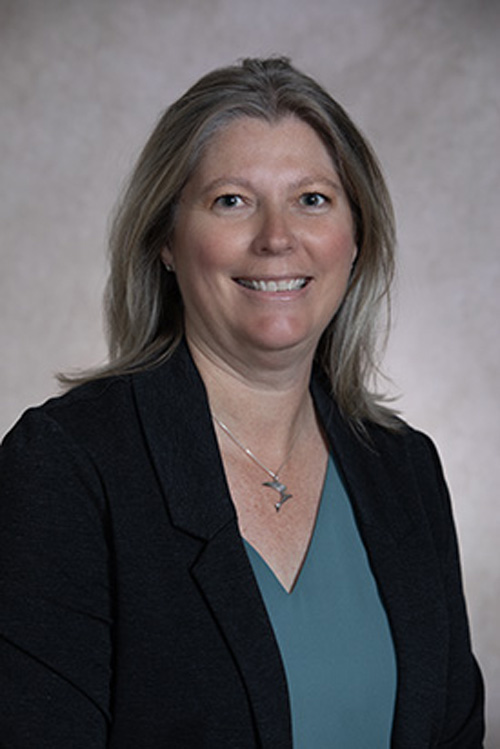
Patricia Szczys, executive director of the Center for Sustainability Studies and the pathway's lead faculty member, said that students in the program represent a wide variety of majors. They are currently learning about climate and sustainability issues through an interdisciplinary lens.
She also discussed the pathway’s broad applicability, noting that many professions can have a measurable impact on climate change.
As an example, she described how the program could benefit a nursing student:
“What do I need to know about climate change and how is it impacting my patients?” she asked. “A lot of health issues are related to climate change.”
The Centers for Disease Control and Prevention predicts increased air pollution will drive more emergency room visits for asthma and that rising global temperatures will worsen global food insecurity in the coming decades.
For a nursing student, it could be helpful to learn how the environment and climate change are impacting public health at the global and regional level.
Szczys continued: “You don’t train for [sustainability] with one major. There are so many ways that people can work in areas that promote climate and sustainability issues.”
William Lugo, program director for the ESPS Pathway and professor of criminology and sociology, echoed the importance of versatility within the pathway, stressing that many professions can have a measurable impact on climate change.
“By following this pathway, students are able to communicate to potential employers that they are job-ready, with a focus not just on their major, but sustainability as well,” he said.
Additionally, students are allowed to follow the pathway early in their college career. “We hope to encourage students to consider their interests and explore career opportunities from the outset of their time at Eastern,” said Fournier.
Szczys explained that while sustainability is a STEM-dominated field, the pathway isn’t STEM-focused, but rather develops strong foundations in the subject. Three courses in the pathway build interdisciplinary skills meant to help students apply sustainability concepts to their own careers.
The course “Career Pathways in Sustainability 1” (SUS 102) introduces students to industry professionals in diverse sectors and serves as an exploratory course for students to discover the diverse applicability of careers in sustainability.
According to the Sustainability Pathway's Website, students may meet professionals from organizations such as the Environmental Conservation Police, the Hartford Office of Sustainability, Connecticut Department of Energy and Environmental Protection, and more.
“Career Pathways in Sustainability 2” (SUS 202) deepens understanding of complex sustainability concepts while continuing engagement with industry professionals.
SUS 302 prepares students for sustainability-related careers while applying a liberal arts lens to the subject. Students in this course apply critical thinking, quantitative literacy, and ethical reasoning skills to evaluate and find solutions to complex case studies.
The pathway culminates with EES 490, a yearlong internship program that transforms classroom concepts into practical experience and actionable outcomes.
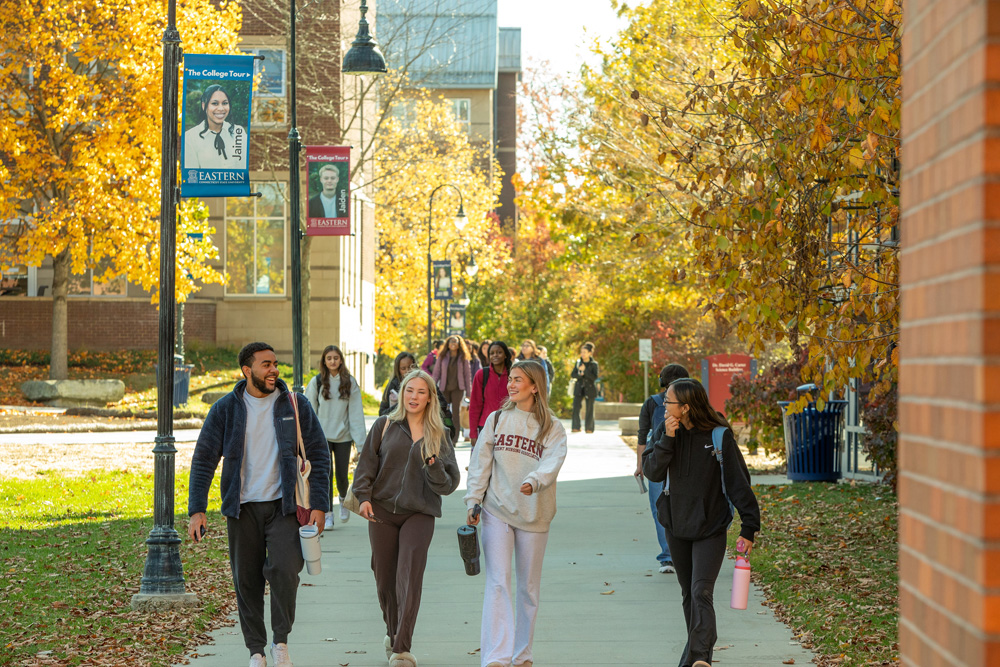
Faculty also coordinate panel discussions and events with local community leaders and industry professionals to broaden conversations about sustainability across campus, open to the Eastern community.
In October, the program invited members of the Southeastern Connecticut Council of Governments (SECOG), a cooperative organization representing several local governments, to speak with the campus community.
The council’s work often has a major focus on climate and economic sustainability. Planner Dominic Anziano, transportation planner Tyler Frost, and climate resilience and sustainability planner Karen Pham spoke with students on how they forged a career in sustainability and how their roles make measurable impacts on their communities.
“Hosting professionals from SECOG allowed students to see [Sustainability Pathway] concepts put into practice in very concrete, practical ways,” Fournier said.
In September, the pathway invited Rees Sweeney-Taylor, a senior consultant at VEIC, to a virtual presentation on how he turned a business and government policy degree into a career in energy consulting, creating innovative solutions for leading energy providers.
Szczys emphasized that while the pathway’s events are designed with sustainability students in mind, they are open to the Eastern community and encouraged for any students interested in exploring sustainability careers.
Learn more about the program at the Sustainability Pathway webpage.