
This is our way forward.
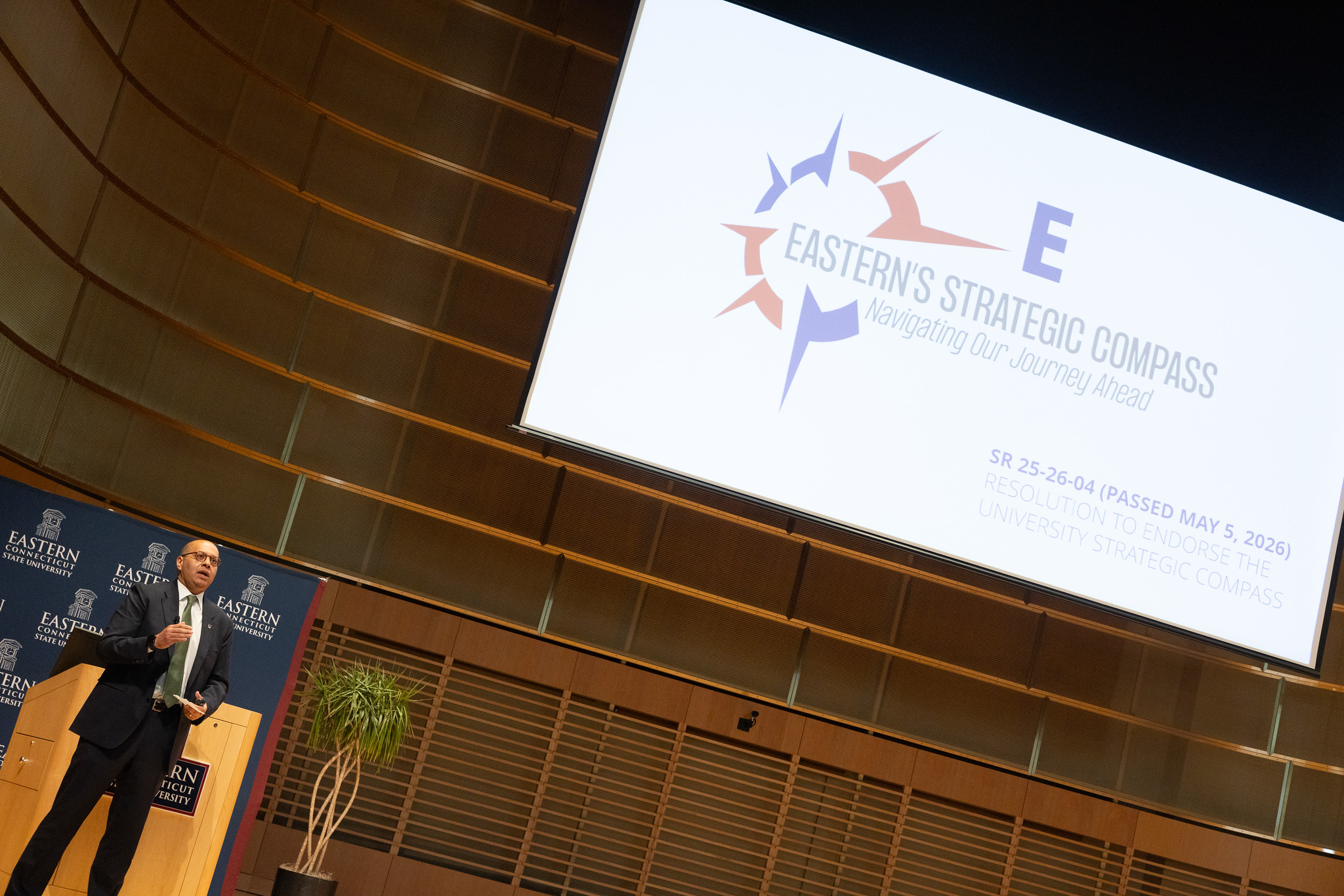
I am proud to present Eastern Connecticut State University’s Strategic Compass. This document has been shaped by the collective voices of our faculty, staff, and students, containing elements that are bold, thoughtful, and deeply mission-driven. It has also benefited immensely from the diverse perspectives of our alumni, Foundation Board, community partners, Regents, system actors, and state leaders.
Together, we have reflected on our dual identity: our unique designation as Connecticut’s public liberal arts university and our vital role as a regional public university. In doing so, we are recommitting to a culture of excellence and inclusion, establishing institutional goals that honor our heritage while boldly imagining our future.
Higher education is facing significant headwinds — forces that threaten to pull many institutions off course. This Compass sets our direction; it is an adaptable, authentic framework designed to protect and project our values through this period of challenge and upheaval. Rather than a static, traditional strategic plan, this is a living document. We will revisit it, reshape it, refine it, and enhance it as needed. This is what the times require. This is our shared commitment. This is our way forward.
It is an honor to serve the Eastern community, and I look forward to the work ahead as we continue this journey together.

The language of the Compass
How the pieces work together
Eastern Connecticut State University engages students from diverse backgrounds in a transformative, liberal arts learning experience that provides knowledge and skills to lead enriching and purposeful lives.
Eastern Connecticut State University aspires to be widely regarded as a premier public liberal arts institution, with graduates who embody the University’s mission throughout their lives.
What we stand for
Six enduring goals define our strategic trajectory
Select a goal to see its areas of focus and the actions we are considering — or already taking — to move forward.
Progress at a Glance
Goals endure for the life of the plan; action steps are added, advanced, completed, or tabled over time. Here is where each goal’s action steps stand today. Select a row to explore that goal.
Sharpen our academic identity to make it increasingly clear and compelling.
We can succeed if we pay particular attention to…
Together, these are the steps we are considering — or already taking — to move forward…
-
Stronger alliances with AAC&U, AASCU, Campus Compact, COPLAC, and other key national organizationsUnderway · June 2026Beginning June 2026, President Ismaili serves as President elect of COPLAC (Council of Public Liberal Arts Colleges).
-
Development of a clear and shared understanding of the liberal arts for internal and external audiences
-
Website redesign to highlight the advantages of the liberal artsUnderway · September 2026A liberal arts landing page is now anchoring recruitment for the class entering in fall 2027, making the case for a liberal arts education to prospective students and their families.
-
More consistent connections to liberal arts learning outcomes within course objectives
-
New employee orientation module devoted to Eastern's designation
-
Statewide campaign focused on the value of the public liberal arts in ConnecticutUnderway · September 2026A digital marketing campaign on the value of the liberal arts is running this fall as part of recruiting the class entering in 2027, carrying the case for public liberal arts education beyond campus.
-
Campus participation in COPLAC activities, including BLC and conferencesUnderway · September 2026President Ismaili was elected President-Elect of COPLAC at the organization's June board meeting. The Provost and Dean Todd attended the COPLAC summer meeting that month. Dean Pandey facilitated the Beard Leadership Circle in July, where four Eastern faculty and staff took part as participants, and now serves on the COPLAC membership committee.
-
Reestablishment of Eastern's Employability InitiativeUnderway · September 2026An employability and career integration audit went to academic departments in August to identify priorities for this year's programming.
-
Employer needs survey to better gauge the criticality of the liberal arts
-
Development of internship and applied learning program across all disciplinesUnderway · September 2026An inventory of internship and applied learning opportunities across every undergraduate program is complete. The History Department received an Academic Innovation grant to expand its internship program and identified several new partner sites over the summer.
-
Establishment of new and relevant academic programs
-
Topical interdisciplinary symposia and events to foster connection and dialogueUnderway · September 2026Academic Affairs and Student Affairs co-hosted a faculty panel on disciplinary perspectives on 9/11 as part of the campus anniversary programming in September.
-
Broadening of faculty engagement with ELAC from both academic schools
-
Restructuring of academic meetings that occur prior to convocation during Warrior Welcome
-
Continued development and implementation of mentoring program under auspices of Retention Think Tank
-
Faculty meet-and-greets for first-year studentsUnderway · September 2026Departments across campus held welcome events through late summer and September, from barbecues to open houses, giving students time with full-time faculty in the first weeks of the term rather than months in.
-
Intentional data gathering and sharing of alumni information
-
Deployment of an alumni-focused website
-
Redesign of Bachelor of General Studies as a flexible pathway for non-traditional students
-
Development of new and relevant certificates/credentials
“It's no exaggeration to say that my professors at Eastern have guided me to be the best version of myself as both a student and a lifelong learner.”
— Eastern alumna
Elevate student success and improve the overall student experience.
We can succeed if we pay particular attention to…
Together, these are the steps we are considering — or already taking — to move forward…
-
Emphasis on student-centered schedulingUnderway · September 2026A summer classroom audit moved selected rooms from restricted to preferred use and, in collaboration with Facilities, brought SCI 415 online as a general-use classroom.
-
Opportunities for students to be an integral part of institutional planning and policymaking
-
Retention Think Tank projects on student onboarding and progression
-
Regular customer service training for student-facing offices
-
border-left:4px solid #7FA8DC
-
Revitalization of Wellness Warriors programUnderway · September 2026The peer wellness program is being rebuilt by staff in Counseling and Psychological Services and the Wellness office. Fifty students have already asked to apply. Training runs this fall, and the new team comes on board for the spring semester.
-
Institutional awareness campaign on the range of supports available to students
-
Interdivisional collaborations catalyzed by SIP grant and engagement with the Gardner InstituteUnderway · September 2026More than forty members of the campus community spent two days in facilitated conversation with the Gardner Institute in September, with every table drawing from multiple divisions. A companion survey drew 129 faculty and staff responses, a response rate of nearly forty-four percent.
-
Structured program of ongoing opportunities to share professional ethos and commitment across divisions
-
Revitalization of living/learning communities in student housing
-
Institutional inventory of high-impact practices and identification of key barriers to access
-
External assessment of high-impact practices
-
Program advising and financial support for students earning competitive national awards and fellowships
-
Exploration of public/private partnerships for new student housing
-
Exploration of public/private partnerships for a new recreation center
-
Institutional study examining best practices in student case management approaches
-
Additional professional capacity for student case management through SIP grantCompleted · September 2026A case manager joined Eastern in August. Reporting to the Dean of Students, the position serves on the Student Intervention Team.
-
Procurement of an integrated student success CRM with training for faculty and staffUnderway · September 2026Eastern has procured Navigate360 and contracted implementation services. The platform gives faculty and staff better tools to spot when a student needs support and to coordinate the response.
-
Comprehensive evaluation of CRM's impact on student success outcomes
-
Development of an Eastern smartphone app
“What I really love about Eastern is I think it's impossible to fail here. I think it's impossible because of how much everyone around you cares.”
— Eastern student
Invigorate our relationships with the town and region to advance bolder and more imaginative initiatives together.
We can succeed if we pay particular attention to…
Together, these are the steps we are considering — or already taking — to move forward…
-
Windham scholars program for students from Windham High and Windham Tech
-
Reinvigorated partnerships with CT State Quinebaug Valley and CT State Three Rivers
-
Expanded conference services unit
-
Comprehensive plan for summer programming
-
Feasibility of a summer arts and culture festival
-
Performing arts and public lecture series in the FAIC Concert Hall
-
Establishment of a virtual center for corporate and public engagement
-
Additional professional capacity for government relations and advocacyUnderway · September 2026The Chief of Staff to the President is working directly with state officials, the CSCU system office, and local leaders.
-
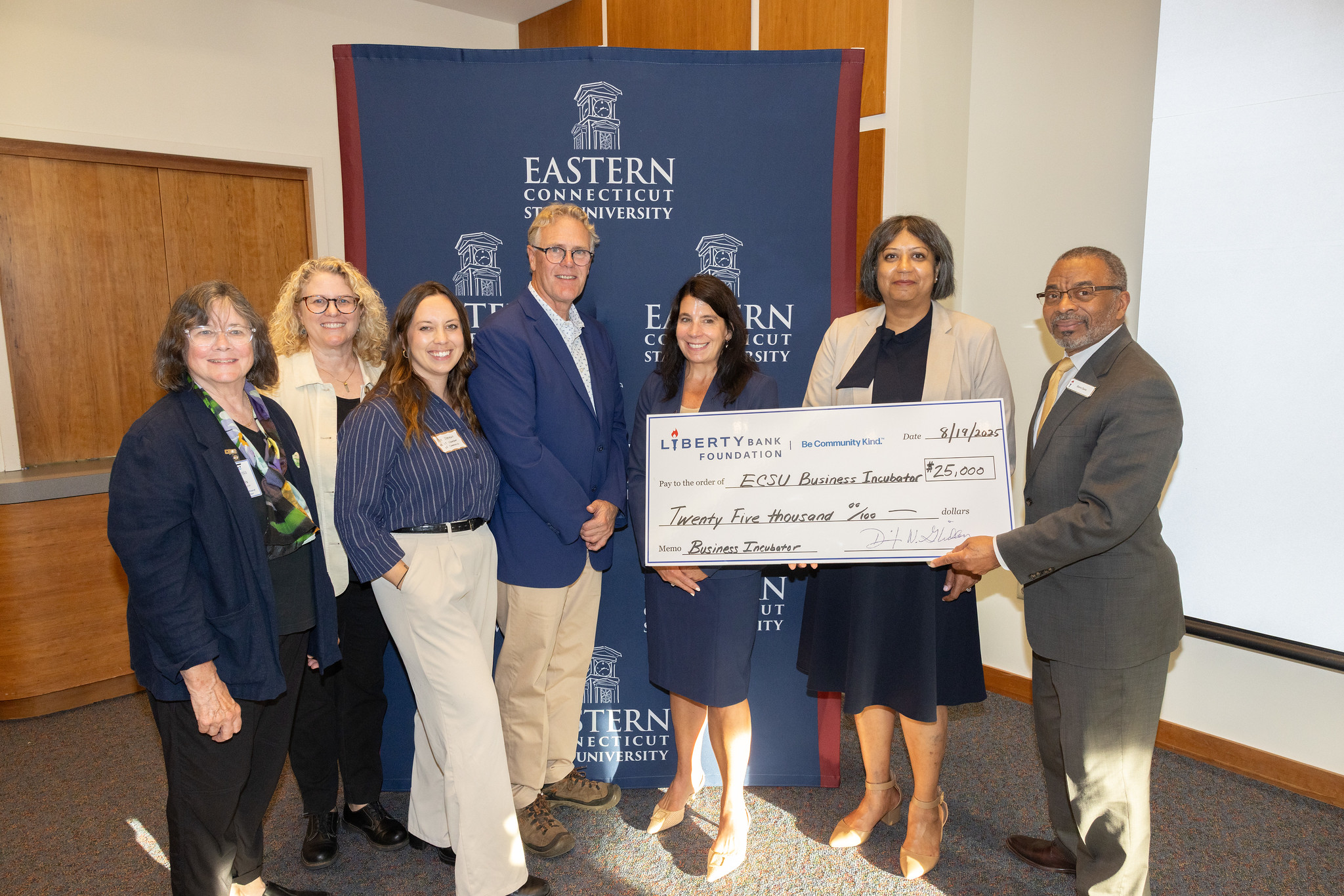
Further growth and maturation of the Small Business Resource CenterUnderway · September 2026Two tuition-free academies launch this fall in partnership with Liberty Bank and Eastern's College of Business. The Liberty Bank Academy for Small Business is a ten-class program covering banking and credit, financial management, insurance, risk, and tax planning, beginning October 13. The Economic Equity Academy runs six Wednesday sessions from October 7 through November 11, built around financial knowledge, leadership, professional skills, and connections to mentors and community resources. Both are free, and space is limited.
-
Development and public release of a study detailing the institution's regional economic impact
-
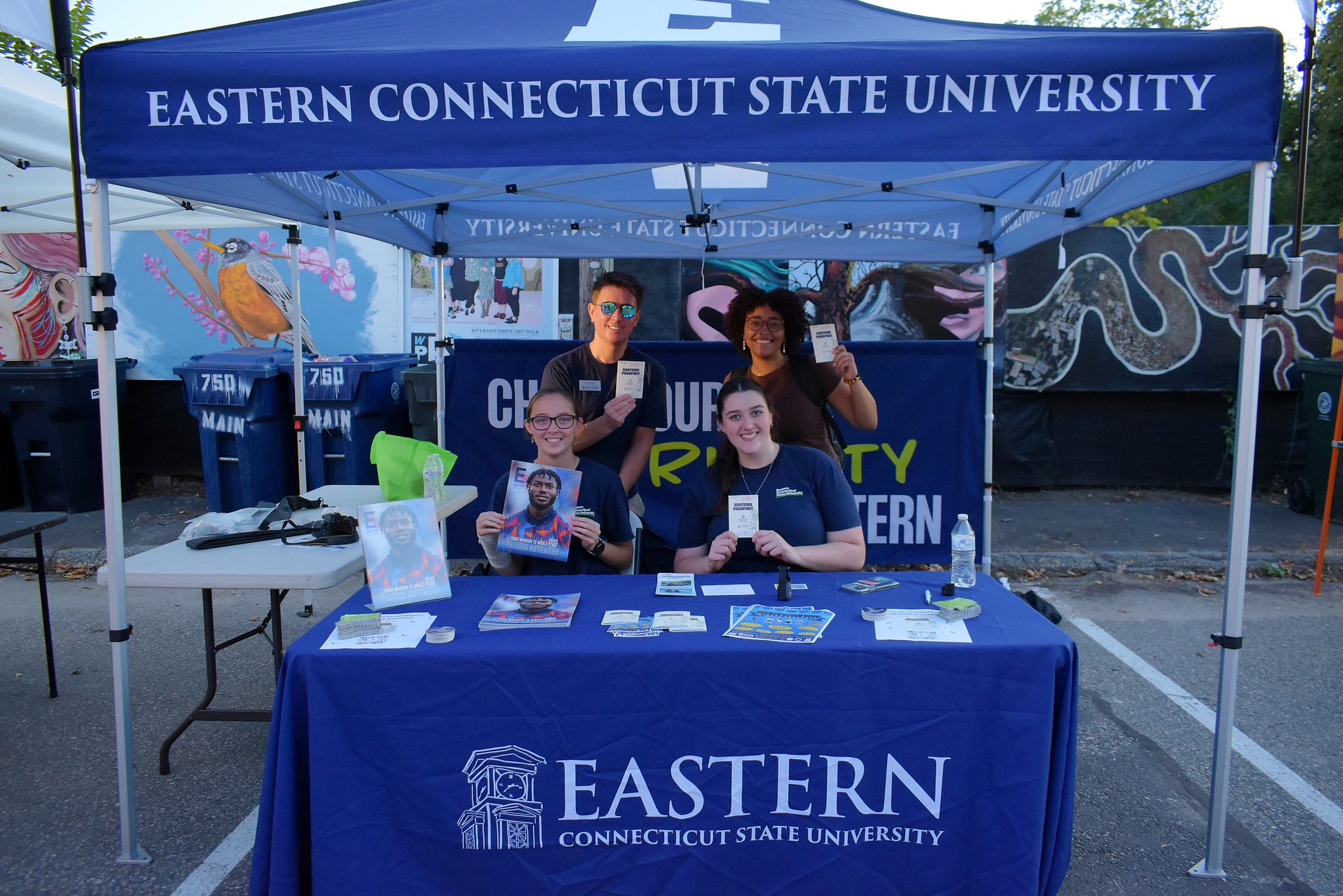
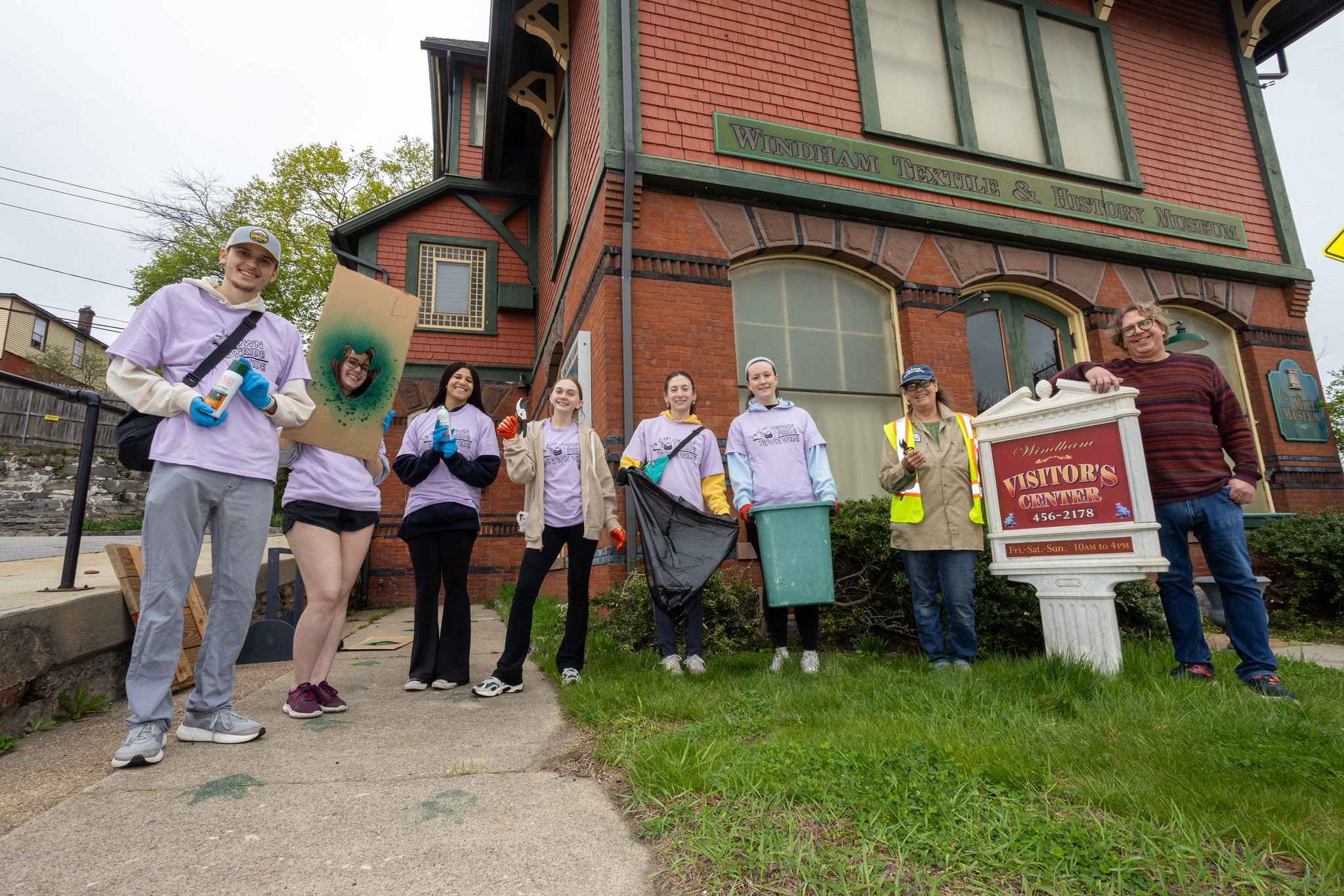
Social media campaign for Eastern PassportUnderway · September 2026Passport businesses now appear on the campus map, collaboration videos with local businesses have begun posting, and a student ambassador attends Willimantic Downtown Neighborhood Association meetings.
-
Annual event to thank and further collaborate with participating Eastern Passport vendors
-
Formalized partnership with Willimantic Renaissance, Inc. (WRI)Completed · September 2026A student ambassador now represents Eastern at Windham events and carries word of those events back to students. Eastern has taken part in Third Thursdays through the season, and Bloktoberfest is coming up as part of Family Day.
-
Increased employee participation in town governance and community organizations
-
Deployment of new digital campus map highlighting off-campus venuesCompleted · September 2026map.easternct.edu launched in August, highlighting venues beyond campus alongside university buildings.
-
Curricular and co-curricular development opportunities reflective of the Land AcknowledgementUnderway · September 2026Eastern will dedicate Occum Hall in November, with a musical performance by members of the Mashantucket Pequot Tribal Nation as part of Native American Heritage Month.
-
Programming that examines history, including through the lens of the Land Acknowledgement
“One of Eastern's strengths lies in its ability to connect students with the community in meaningful, lasting ways — fostering not just academic growth, but civic responsibility and a deeper sense of purpose and belonging.”
— Eastern staff member
Nurture a university culture that continually seeks new opportunities and strives to operate at the leading edge of innovation.
We can succeed if we pay particular attention to…
Together, these are the steps we are considering — or already taking — to move forward…
-
Comprehensive and coordinated process efficiency audit
-
Development of an enterprise risk management systemUnderway · September 2026Eastern worked with the Emergency Management Services Division of MissionCIT and senior leadership to develop new Emergency Action Plans for the university.
-
Expansion of Warrior Consulting initiative to include internal consultation on process improvements
-
Introduction of institutional project management function within Division of Technology Services
-
Electronic dashboards to monitor goals, areas of focus, actions, and metrics of the Strategic Compass
-
Launch of a dynamic, institutional policy page on Eastern's website
-
Establishment/refinement of standard operating procedures for key areas
-
Establishment of a Makerspace for studentsUnderway · September 2026A multi-disciplinary team of faculty and staff received a 2026-27 Academic Innovation grant to establish a Makerspace for students.
-
Innovation showcase and grants showcase (similar to CREATE)
-
Development of technology resource guides to raise awareness of available tools
-
Membership in the global Age-Friendly University networkCompleted · September 2026Eastern's application to join the Age-Friendly University global network was successful. Membership connects Eastern to institutions worldwide committed to making higher education accessible to learners at every stage of life.
-
Application for the Carnegie Elective Classification for SustainabilityUnderway · September 2026A task force is preparing Eastern's application for the Carnegie Elective Classification for Sustainability, which will be submitted in December.
-
Centralization of most often needed student information in data warehouse
-
Ongoing series of data workshops for academic unitsUnderway · September 2026A Slate training session ran during the August department chair in-service.
-
Population of dynamic dashboards by Institutional Research
-
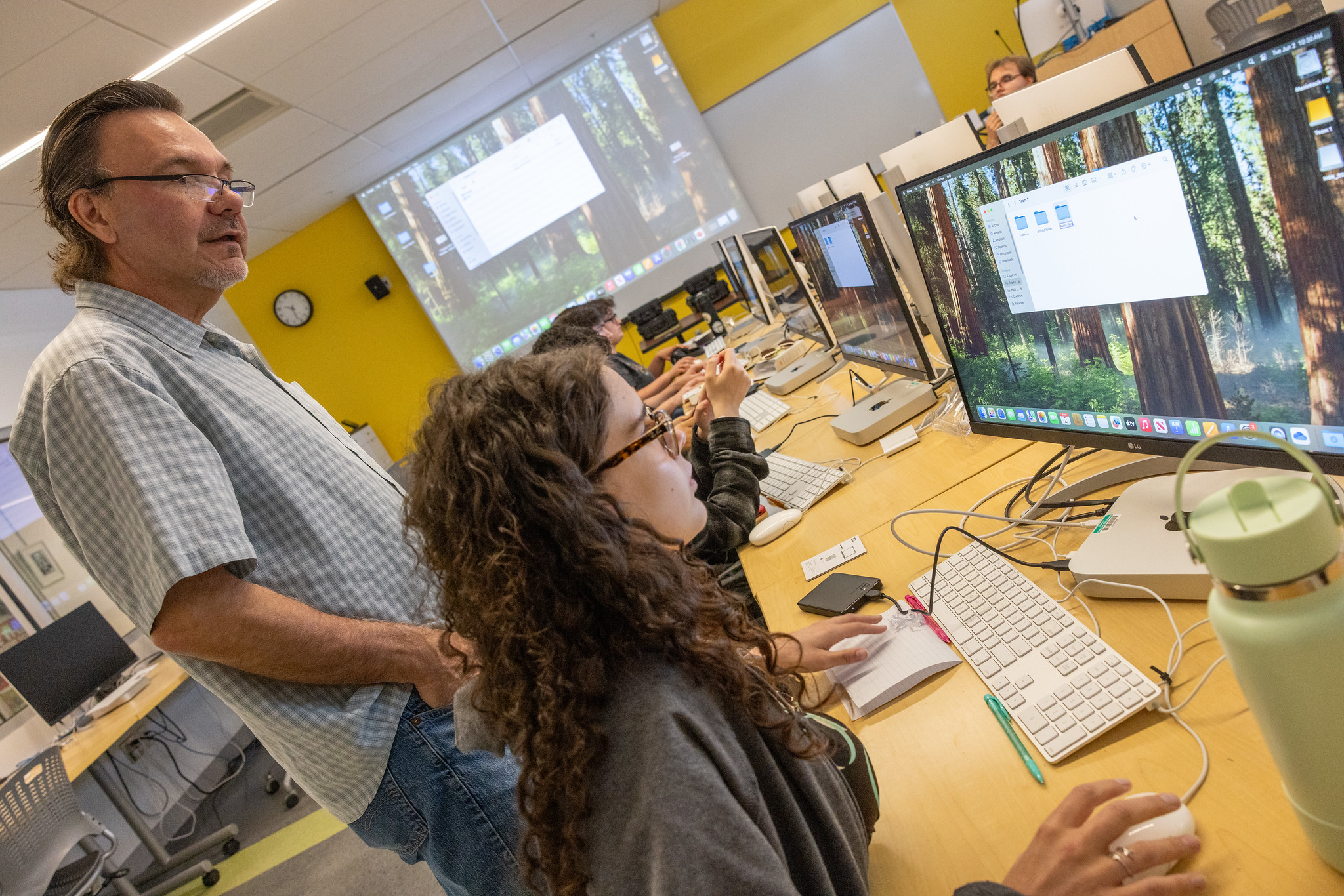
Additional professional capacity for external grant applications across the University
-
Improved policies, procedures, and training for all grant-related endeavors
-
External advisory councils (institution, schools, select academic departments)
-
Strong partnership with the ECSU Foundation to advance key elements of the Strategic Compass
-
Institutional seed grant program to foster academic innovation and position the University for external funding support
-
Refinement of processes for new program development
-
Regularized industry and labor market input to guide program and credential development
-
Establishment of an interdisciplinary AI Center
-
Institutional assessment of AI across the curriculum
-
AI-related programming for faculty through the Center for Teaching, Learning, and AssessmentUnderway · September 2026A Faculty Learning Community on AI and the Science of Learning is running this fall.
-
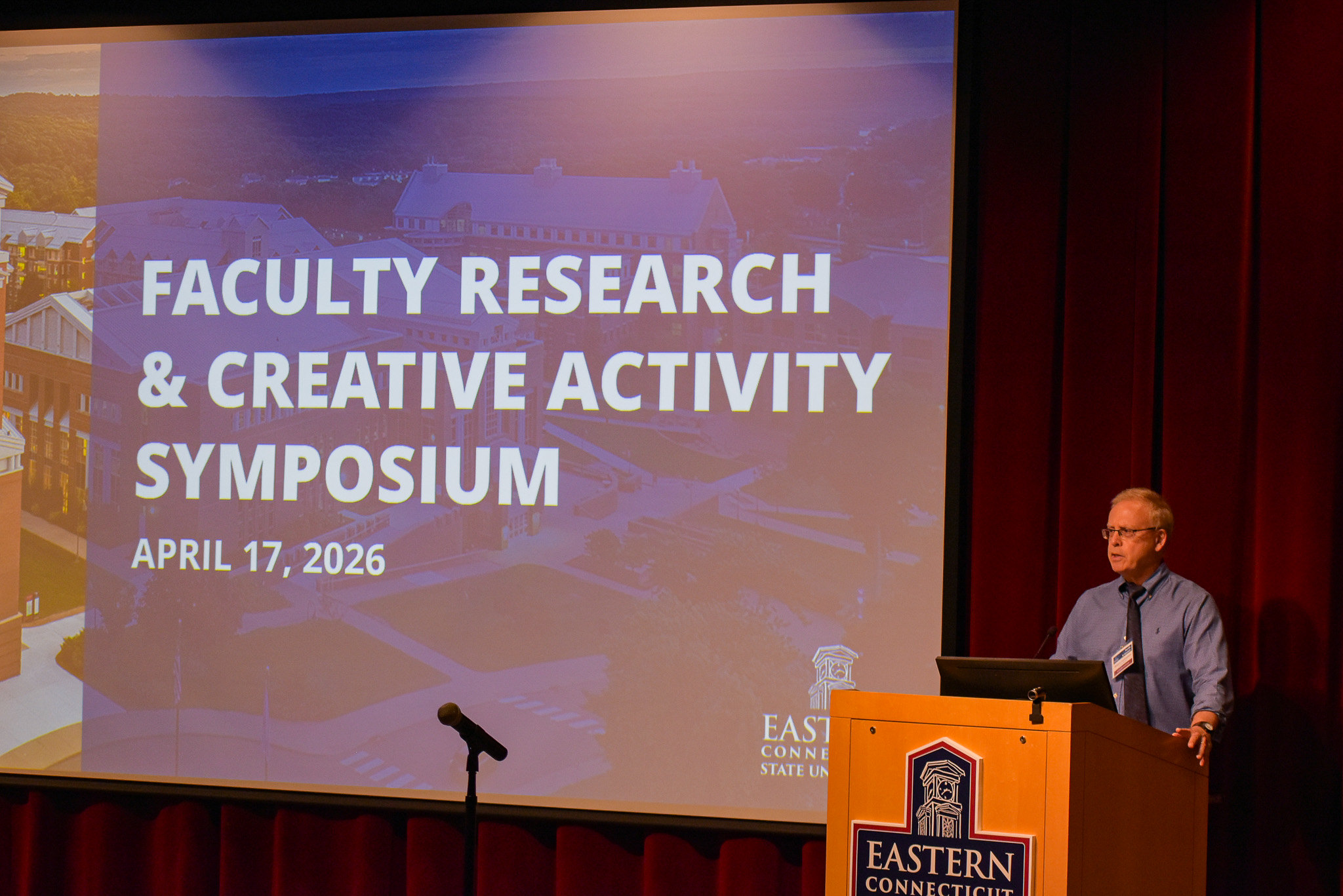
Showcase of faculty scholarship and creative endeavors
-
Celebration of faculty excellenceCompleted · September 2026The first annual Celebration of Faculty Excellence was held May 8. A Faculty Excellence website launched in August and continues to grow as a hub for recognizing faculty scholarship and creative work. easternct.edu/academic-affairs/faculty-excellence.html
“As we enter an age dominated by AI and technology, the value of face-to-face connection becomes more important than ever, and Eastern can provide that through its liberal arts mission.”
— Eastern faculty member
Bolster our capabilities for attracting students from traditional and emerging populations.
We can succeed if we pay particular attention to…
Together, these are the steps we are considering — or already taking — to move forward…
-
Examination of internal definitions of students and program types
-
Development of a clear strategy around dual enrollment students
-
Broad-based awareness campaign to highlight Eastern's graduate students and programs
-
Direct outreach program to commuter students to assess challenges and needsUnderway · September 2026Commuter Initiatives has four events planned this semester and runs a weekly Commuter Leadership Committee that grew out of student feedback last spring. Daytime programming through the Campus Activity Board, a weekly newsletter, and an active commuter student Instagram account round out the effort.
-
Additional gathering spaces specifically designed for commuter students
-
Policy update to allow for double-counting of graduate and undergraduate creditsCompleted · September 2026Effective this fall, qualified undergraduates may apply up to twelve credits of graduate coursework toward both their bachelor's and master's degrees at Eastern. Students with at least 75 credits earned and a 3.0 grade point average may petition to take graduate courses, with approval from the Dean of the Graduate Division.
-
Development of an admissions strategy focused on seamless undergraduate-to-graduate pathways
-
“4+1” connections with other colleges and universities
-
“3+3” connection with law school programs
-
Assessment of opportunities to better meet the language needs of the local community and region
-
Prioritization of hiring multilingual admissions counselors
-
Virtual family check-ins with family members to share information
-
Establishment of Family Hub
-
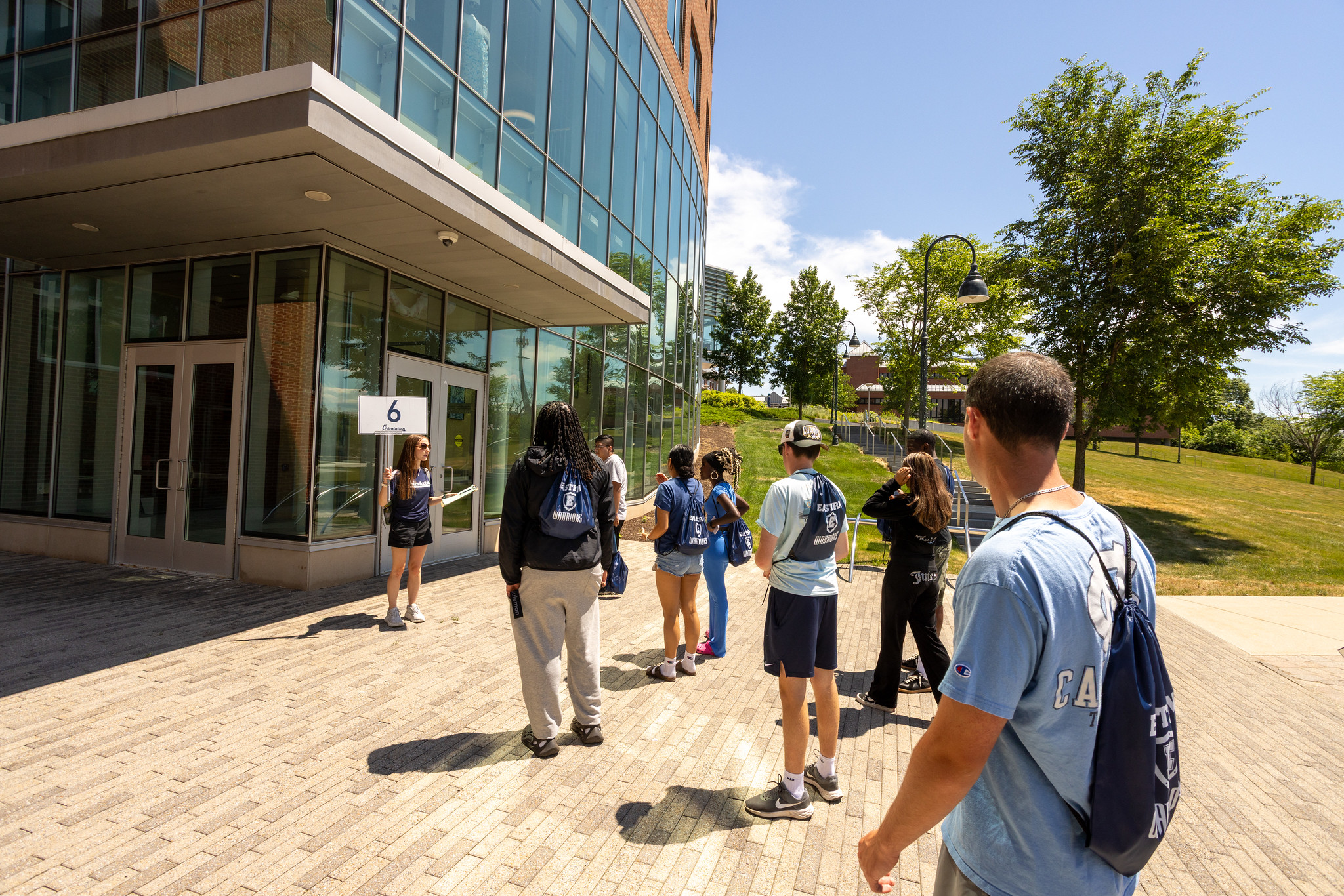
Comprehensive email campaign with Admissions to educate family members on key topicsUnderway · September 2026University Communications and Marketing worked with Admissions over the summer to build a planned sequence of communications for the families of prospective students. Those templates are in place for this fall, so families hear from Eastern at the moments that matter rather than all at once.
-
Development of a comprehensive Strategic Enrollment Plan that aligns recruitment, retention, and student success initiatives
-
Creation of a volunteer program with training to support enrollment efforts
-
Program of alumni-hosted events for prospective students
“I am enthusiastically supportive of introducing students to full-time faculty sooner. My relationships with full-time faculty were paramount to my success as a student here.”
— Eastern alumnus
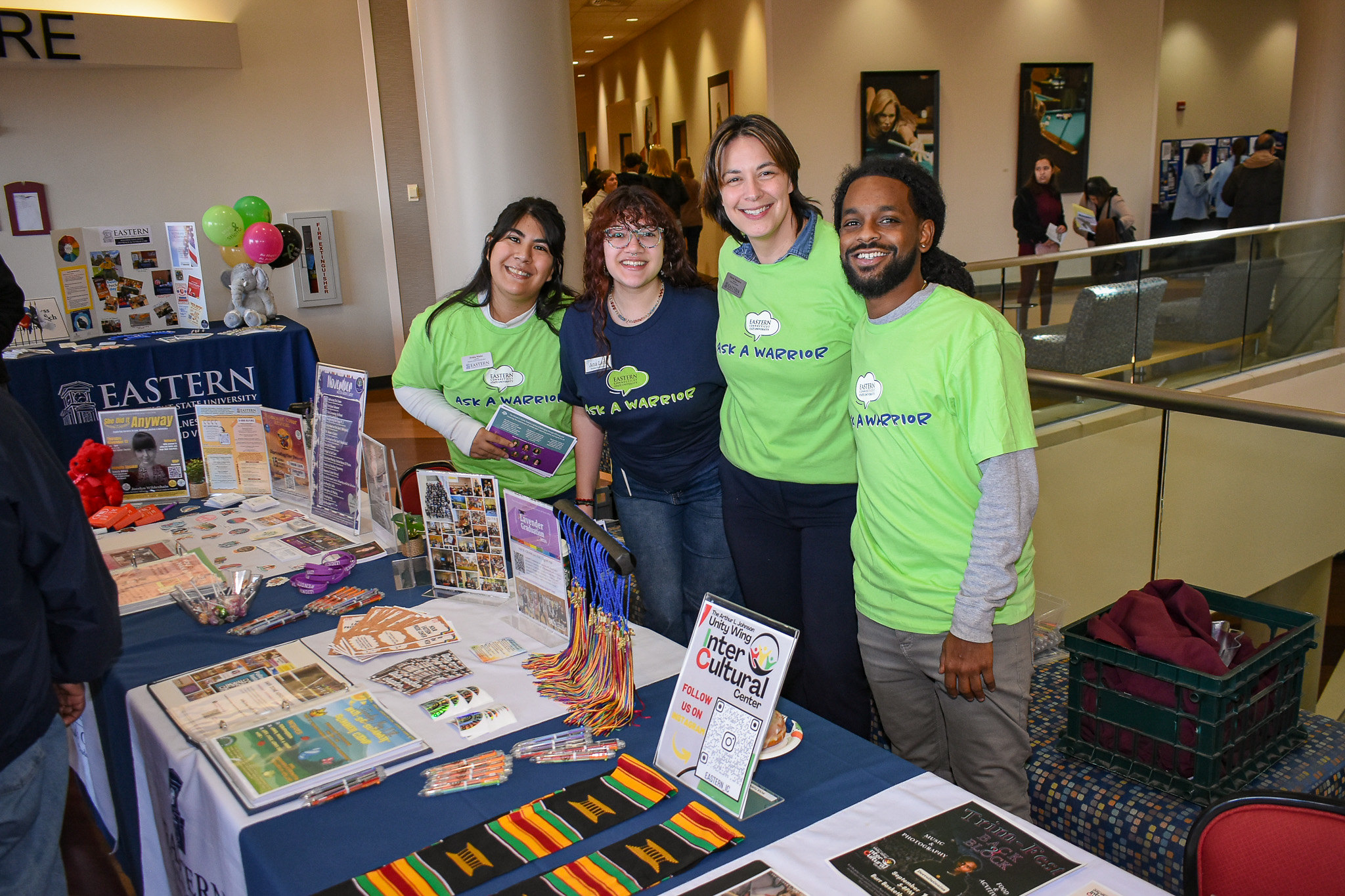
Strengthen Eastern's spirit of community and support its people.
We can succeed if we pay particular attention to…

Together, these are the steps we are considering — or already taking — to move forward…
-
Ongoing programming and outreach led by the Warrior Spirit Group
-
Design and execution of a plan to connect the institution back to its historyUnderway · September 2026The Connecticut Room has been redesigned in collaboration with University Archives to showcase the history of the university.
-
Establishment of a club for retired faculty and staff
-
Comprehensive review and refinement of all recognition programs for faculty, staff, and students
-
Deployment of an online and on-demand professional development program
-
Annual Community Development Day aligned with the goals of the Strategic Compass
-
Series of in-person health and wellness events held in conjunction with the Office of the State Comptroller
-
Development of employee affinity groups
-
Improved, regular onboarding of new part- and full-time faculty by CTLA and deansUnderway · September 2026A comprehensive onboarding program launched in August, including faculty mentors for tenure-track faculty. An assessment will follow.
-
Improved, regular onboarding of new non-faculty employees by HR and other key officesUnderway · September 2026Human Resources and the President's Office hosted a New Staff Welcome session in September. Additional members of the HR staff have been designated to assist with onboarding.
-
Optional mentoring program for new employees
-
Exploration of “Great Colleges to Work For” designation through the Chronicle of Higher Education
-
Creation of institutional webpage showcasing faculty, staff, and administrators who go “above and beyond”
How we gauge our progress
Just as Eastern’s strategic goals describe the institution’s aspirational trajectory, a diversity of metrics provide a common framework for evaluating progress. These indicators serve two interconnected purposes: to provide the campus community and stakeholders with an enduring, objective, and transparent understanding of the University’s advancement; and to inform dynamic decision making at every level.
Some of these metrics will require the institution to develop new data-collection instruments, processes, and capacity. Eastern’s desire to measure long-term liberal arts outcomes represents a significant leap forward — and perhaps a first-in-the-nation undertaking for a regional public university. Undaunted by the challenge, Eastern embraces it as an exciting opportunity for shared discovery and innovation.
Broad-Based Institutional Indicators
Irrespective of our strategic goals, we gauge overall institutional progress by considering…
Goal-Specific Institutional Indicators
We gauge our progress in advancing each goal by considering…
- integrated marketing materials focused on the value of the liberal arts
- media mentions and placements describing Eastern's commitment to the liberal arts
- participation by faculty and staff in meetings of professional organizations centered on liberal education
- understanding of Eastern's liberal arts philosophy and its connectivity to career readiness — among students, family members, employers, decision-makers, and the public
- number of interdisciplinary programs (majors, minors, certificates)
- number of students participating in/completing interdisciplinary programs
- interdisciplinary faculty collaborations (grant proposals, academic papers, conference presentations, etc.)
- percentage of first-year students enrolled in a LAC 100/101 section taught by a full-time faculty member
- average percentage of first-year students' course load taught by full-time faculty
- NACE First Destination Survey — student completion rate and outcomes
- percentage of students undertaking future graduate study (per National Student Clearinghouse)
- employment outcomes as captured by LiveAlumni
- participation in open-to-the-public educational events
- student satisfaction at multiple points in the educational journey — learning, advising, support services, student life, safety
- CAPS counselor-to-student ratio
- number of wellness programming events
- student participation in wellness programming events
- student participation in HIP-centered co-curricular activities (disaggregated)
- utilization of scholarship funding for co-curricular experiences
- percentage of faculty actively using student success platform
- percentage of automated vs. manual alerts/campaigns and comparison of persistence/GPA outcomes
- number of local partnerships
- effectiveness and impact of local partnerships
- number of public-facing events
- participation in public-facing events
- number of facilities rentals
- revenue from facilities rentals
- number of students taking advantage of Eastern Passport
- number of businesses participating in Eastern Passport
- revenues derived from Eastern Passport
- number of regional Native American students (both matriculated and non-degree)
- number of students participating in internships/practica connected to local tribes
- assessment of Land Acknowledgement commitments by tribal leaders
- baseline process audit
- number of automated processes
- estimate of time savings/error reductions resulting from automated processes
- number of institutional datasets open to community use
- usage statistics on open institutional datasets
- number of accreditations
- percentage of students participating in programmatically accredited academic programs
- number and value of grant applications submitted
- number and value of grant applications awarded
- number of new degree and non-degree programs launched
- enrollment in new programs
- number of curriculum revisions submitted
- utilization of existing curriculum development incentives (AAUP curriculum development grants)
- percentage of student-facing offices with extended hours
- number of “4+1” and “3+3” programs
- percentage of students participating in “4+1” and “3+3” programs
- percentage of students completing both undergraduate and graduate segments of “4+1” and “3+3” programs
- time to completion for “4+1” and “3+3” programs
- percentage of employees pursuing professional development to work with emerging student populations
- recruitment yield for emerging student populations
- retention and progression outcomes for emerging student populations
- number of communications materials developed specifically for parents
- open/click-rates for parent-focused communications materials
- percentage of communications materials available in languages other than English
- breadth of communications materials available in languages other than English
- broad-based participation in weekly Warrior Spirit days
- number/range of recognition events and opportunities
- participation rates in professional development activities
- utilization of existing professional development resources
- employee wellbeing survey
- employee retention and turnover rates
- new employee surveys during onboarding
- structured exit interviews for departing employees
- recognition categories within CHE's Great Colleges to Work For
CSCU Indicators
We gauge our statewide commitments to accessibility, completion, and talent by…
- 1.Degree to which Eastern's traditional undergraduate student population reflects the demographic make-up of the state's graduating high school seniors (particularly in the eastern half of the state)
- 2.Number of students successfully earning Eastern credit through dual- or concurrent-enrollment courses
- 3.Average level of unmet financial need for first-time, transfer, and continuing students
- 4.Share of students making use of academic support services in the Academic Success Center
- 5.Median time to degree for first-time and transfer students
- 6.Number of students earning certificates or other kinds of credentials (generally less-than-minor-sized clusters of courses in a subject or interdisciplinary grouping)
- 7.Number/share of students participating in curricular or co-curricular community engagement events
- 8.Number/share of students engaging with programming from Office of Career Success
- 9.Monitoring assessment outcomes for ELAC learning outcomes as part of university assessment plan
How Is Eastern Changing Lives?
We gauge the long-term impact of our liberal arts mission by the extent to which our alumni lead…
Detweiler, R.A. (2021). The Evidence Liberal Arts Needs: Lives of Consequence, Inquiry, and Accomplishment. MIT Press.
Abbreviations used throughout the Compass
September 2026
Goal 1
- Website redesign to highlight the advantages of the liberal arts A liberal arts landing page is now anchoring recruitment for the class entering in fall 2027, making the case for a liberal arts education to prospective students and their families.
- Statewide campaign focused on the value of the public liberal arts in Connecticut A digital marketing campaign on the value of the liberal arts is running this fall as part of recruiting the class entering in 2027, carrying the case for public liberal arts education beyond campus.
- Campus participation in COPLAC activities, including BLC and conferences President Ismaili was elected President-Elect of COPLAC at the organization's June board meeting. The Provost and Dean Todd attended the COPLAC summer meeting that month. Dean Pandey facilitated the Beard Leadership Circle in July, where four Eastern faculty and staff took part as participants, and now serves on the COPLAC membership committee.
- Reestablishment of Eastern's Employability Initiative An employability and career integration audit went to academic departments in August to identify priorities for this year's programming.
- Development of internship and applied learning program across all disciplines An inventory of internship and applied learning opportunities across every undergraduate program is complete. The History Department received an Academic Innovation grant to expand its internship program and identified several new partner sites over the summer.
- Topical interdisciplinary symposia and events to foster connection and dialogue Academic Affairs and Student Affairs co-hosted a faculty panel on disciplinary perspectives on 9/11 as part of the campus anniversary programming in September.
- Faculty meet-and-greets for first-year students Departments across campus held welcome events through late summer and September, from barbecues to open houses, giving students time with full-time faculty in the first weeks of the term rather than months in.
Goal 2
- Emphasis on student-centered scheduling A summer classroom audit moved selected rooms from restricted to preferred use and, in collaboration with Facilities, brought SCI 415 online as a general-use classroom.
- Revitalization of Wellness Warriors program The peer wellness program is being rebuilt by staff in Counseling and Psychological Services and the Wellness office. Fifty students have already asked to apply. Training runs this fall, and the new team comes on board for the spring semester.
- Interdivisional collaborations catalyzed by SIP grant and engagement with the Gardner Institute More than forty members of the campus community spent two days in facilitated conversation with the Gardner Institute in September, with every table drawing from multiple divisions. A companion survey drew 129 faculty and staff responses, a response rate of nearly forty-four percent.
- Additional professional capacity for student case management through SIP grant A case manager joined Eastern in August. Reporting to the Dean of Students, the position serves on the Student Intervention Team.
- Procurement of an integrated student success CRM with training for faculty and staff Eastern has procured Navigate360 and contracted implementation services. The platform gives faculty and staff better tools to spot when a student needs support and to coordinate the response.
Goal 3
- Additional professional capacity for government relations and advocacy The Chief of Staff to the President is working directly with state officials, the CSCU system office, and local leaders.
- Further growth and maturation of the Small Business Resource Center Two tuition-free academies launch this fall in partnership with Liberty Bank and Eastern's College of Business. The Liberty Bank Academy for Small Business is a ten-class program covering banking and credit, financial management, insurance, risk, and tax planning, beginning October 13. The Economic Equity Academy runs six Wednesday sessions from October 7 through November 11, built around financial knowledge, leadership, professional skills, and connections to mentors and community resources. Both are free, and space is limited.
- Social media campaign for Eastern Passport Passport businesses now appear on the campus map, collaboration videos with local businesses have begun posting, and a student ambassador attends Willimantic Downtown Neighborhood Association meetings.
- Formalized partnership with Willimantic Renaissance, Inc. (WRI) A student ambassador now represents Eastern at Windham events and carries word of those events back to students. Eastern has taken part in Third Thursdays through the season, and Bloktoberfest is coming up as part of Family Day.
- Deployment of new digital campus map highlighting off-campus venues map.easternct.edu launched in August, highlighting venues beyond campus alongside university buildings.
- Curricular and co-curricular development opportunities reflective of the Land Acknowledgement Eastern will dedicate Occum Hall in November, with a musical performance by members of the Mashantucket Pequot Tribal Nation as part of Native American Heritage Month.
Goal 4
- Development of an enterprise risk management system Eastern worked with the Emergency Management Services Division of MissionCIT and senior leadership to develop new Emergency Action Plans for the university.
- Establishment of a Makerspace for students A multi-disciplinary team of faculty and staff received a 2026-27 Academic Innovation grant to establish a Makerspace for students.
- Membership in the global Age-Friendly University network Eastern's application to join the Age-Friendly University global network was successful. Membership connects Eastern to institutions worldwide committed to making higher education accessible to learners at every stage of life.
- Application for the Carnegie Elective Classification for Sustainability A task force is preparing Eastern's application for the Carnegie Elective Classification for Sustainability, which will be submitted in December.
- Ongoing series of data workshops for academic units A Slate training session ran during the August department chair in-service.
- AI-related programming for faculty through the Center for Teaching, Learning, and Assessment A Faculty Learning Community on AI and the Science of Learning is running this fall.
- Celebration of faculty excellence The first annual Celebration of Faculty Excellence was held May 8. A Faculty Excellence website launched in August and continues to grow as a hub for recognizing faculty scholarship and creative work. easternct.edu/academic-affairs/faculty-excellence.html
Goal 5
- Policy update to allow for double-counting of graduate and undergraduate credits Effective this fall, qualified undergraduates may apply up to twelve credits of graduate coursework toward both their bachelor's and master's degrees at Eastern. Students with at least 75 credits earned and a 3.0 grade point average may petition to take graduate courses, with approval from the Dean of the Graduate Division.
- Direct outreach program to commuter students to assess challenges and needs Commuter Initiatives has four events planned this semester and runs a weekly Commuter Leadership Committee that grew out of student feedback last spring. Daytime programming through the Campus Activity Board, a weekly newsletter, and an active commuter student Instagram account round out the effort.
- Comprehensive email campaign with Admissions to educate family members on key topics University Communications and Marketing worked with Admissions over the summer to build a planned sequence of communications for the families of prospective students. Those templates are in place for this fall, so families hear from Eastern at the moments that matter rather than all at once.
Goal 6
- Design and execution of a plan to connect the institution back to its history The Connecticut Room has been redesigned in collaboration with University Archives to showcase the history of the university.
- Improved, regular onboarding of new part- and full-time faculty by CTLA and deans A comprehensive onboarding program launched in August, including faculty mentors for tenure-track faculty. An assessment will follow.
- Improved, regular onboarding of new non-faculty employees by HR and other key offices Human Resources and the President's Office hosted a New Staff Welcome session in September. Additional members of the HR staff have been designated to assist with onboarding.