- Apply
- Visit
- Request Info
- Give



Written by Savannah Striano ‘25
Published on August 19, 2026
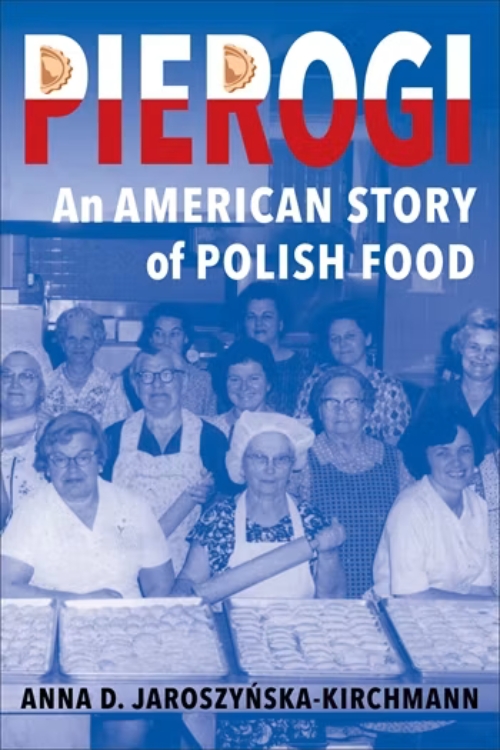
A new book by Professor Emerita Anna D. Jaroszyńska-Kirchmann explores how pierogi, a hallmark of Polish cuisine, traveled from Poland to the United States and evolved into a symbol of Polish-American identity.
“Pierogi: An American Story of Polish Food” traces the history of Polish cuisine in the United States and examines how generations of Polish immigrants and their descendants adapted traditional foods while maintaining connections to their heritage.
Jaroszyńska-Kirchmann was an Eastern history professor for nearly 25 years until her retirement in 2022.
“My new book is a culinary history of Polish cuisine, which together with millions of Polish immigrants journeyed across the ocean to America,” said Jaroszyńska-Kirchmann of her first narrative nonfiction, published by Columbia University Press this August.
While many imported foods changed over time to reflect American food trends, Jaroszyńska-Kirchmann said the pierogi continued to represent connections to home, family, religion, and ethnicity.
As the book follows the history of Polish food in the United States, it also considers how those traditions evolved as American society and food culture changed, as well as how developments in Poland and other parts of the world influenced Polish-American cuisine.
To tell that story, Jaroszyńska-Kirchmann draws from a range of materials, including cookbooks, menus, memoirs and interviews with people involved in Polish-American food traditions. She also looks at the businesses and individuals who helped introduce pierogi to wider American audiences and examines how the dish was adapted as it became more commercially popular.
Through her research, Jaroszyńska-Kirchmann said she came to recognize pierogi as more than a traditional Polish dish.
“After studying sources such as cookbooks, menus and memoirs, and exploring Polish American businesses and traditions of making and sharing food, I realized that pierogi, initially humble peasant and family food, became the dish that came to symbolize Polish-American ethnicity,” she said.
Along with its historical analysis, the book explores the role food has played in maintaining Polish-American traditions. Jaroszyńska-Kirchmann examines how preparing and sharing food can bring families and communities together and help preserve connections to cultural heritage.
Personal ties
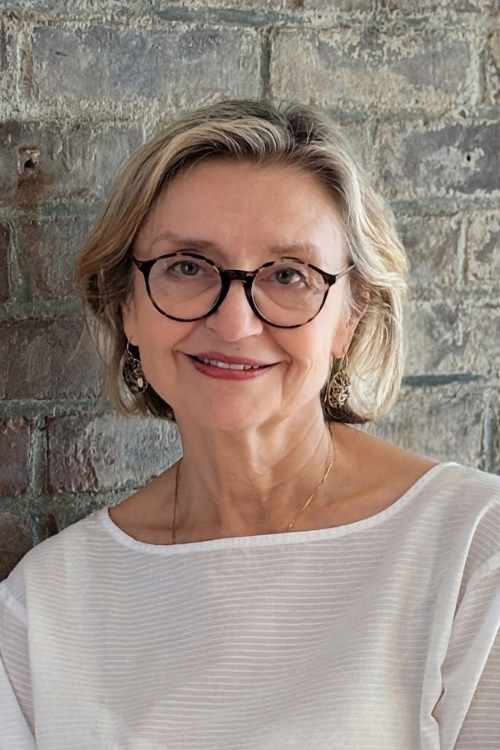
Jaroszyńska-Kirchmann also draws on her own experiences, including memories of growing up in communist-era Poland and learning to navigate periods when food was scarce. Her experiences later continued in the United States after she immigrated in the 1980s, giving the book a personal perspective alongside its historical research.
Jaroszyńska-Kirchmann said her research also gave her an opportunity to reflect on her own experiences with American food and cooking after immigrating to the United States.
“I must admit that my research was both fascinating and delicious,” she said.
The book builds on Jaroszyńska-Kirchmann’s scholarship on Polish-American history. She is the author of “The Exile Mission: The Polish Political Diaspora and Polish Americans, 1939–1956” and “The Polish Hearst: Ameryka-Echo and the Public Role of the Immigrant Press.” She also coedited “Polish American Voices: A Documentary History, 1608–2020.”
She is editor-in-chief of "Polish American Studies," the peer-reviewed interdisciplinary journal of the Polish American Historical Association, and a past president of the Polish American Historical Association.
While “Pierogi: An American Story of Polish Food” is grounded in historical research, Jaroszyńska-Kirchmann said she wrote the book with a broader audience in mind.
“The book is based on solid historical scholarship but is directed to the more popular audience and is very readable,” she said.
The book has received praise for connecting the history of Polish food with immigration, identity, and cultural change.
Hasia R. Diner, author of “Hungering for America: Italian, Irish, and Jewish Foodways in the Age of Migration,” praised the book for showing how pierogi is connected to Polish history and identity both in Poland and abroad. She wrote that the book will contribute to literature on food and migration and how particular dishes can embody history and culture.