
- Apply
- Visit
- Request Info
- Give



Written by Kyle Berson '26
Published on October 20, 2025
Two College of Business faculty members recently presented research and insights during an industry panel discussion and academic webinar. Business administration Professor Matthew Coyne presented research in a Global Agritourism Network (GAN) research webinar on Oct. 3, titled “Triggering the Flow Experience in Agritourism: Contexts, Moments, and Outcomes.” Meanwhile, Lecturer Linda Ferraro participated in a Human Resources Leadership Association (HRLA) forum titled “The Evolution of DEI” on Sept. 17.
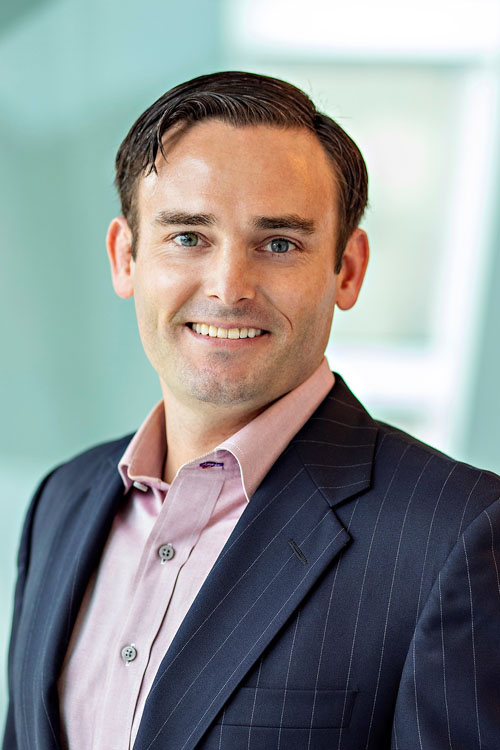
During the GAN's research webinar, Coyne gave a presentation on “flow theory.” He discussed how it has been researched regarding tourism and leisure, as well as outlined an experiential design strategy for the agritourism providers – such as farms, wineries, and ranches – which help encourage the “flow state” in tourists.
According to the United States Department of Agriculture (USDA), agritourism is the practice of providing leisure and educational experiences to the general public on working farms and ranches.
Common examples include winery tours, interactions with livestock, and ranch tours. In New England, popular agritourism attractions include apple picking, pumpkin picking, and corn mazes.
“Flow theory” is a set of criteria and conditions that induce complete immersion and focus into an activity. When these criteria are met, the mind enters a “flow state,” which leads to a sense of enjoyment, fulfillment, and timelessness, according to Coyne.
Have you ever been so invested in solving a puzzle, playing a game, or competing in a sport that you lose track of time? That’s a flow state.
Coyne presented his findings on how the agritourism industry can better induce the flow state upon tourists, and how it can leave a positive impact on both the agriculture industry and the tourists it serves.
“Tourism research has identified the importance of memorable tourism experiences for the benefit of both the consumer and the tourism provider,” Coyne said. “Flow experiences may lead to forming impactful memories such as these and provide other benefits.”
“The design principles outlined in this presentation could help (agritourism providers) achieve higher customer satisfaction and revenue for their farm or ranch,” he said. Coyne also added that “their experiences may already meet some of the criteria for triggering the flow state, and with some relatively inexpensive and feasible modifications, become even more conducive for triggering the flow state.”
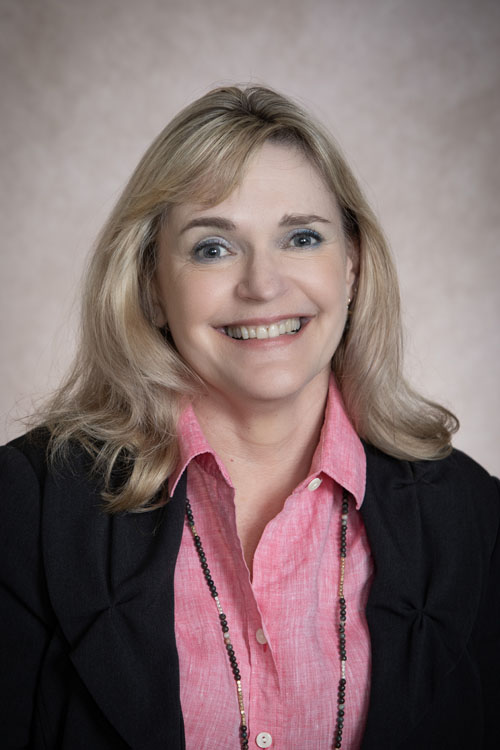
Ferraro joined panelists Nakie Hamlett, professor of psychology at Connecticut College, and Emily McDonough Souza, employment and labor counsel at Shipman and Goodwin LLC. Hosted at Chelsea Groton Bank’s Groton headquarters, the interactive forum discussed the evolving state of DEI programs and initiatives across the country.
With an academic background in human resources (HR), Ferraro remarked that recent college graduates are entering the workforce with different values, skills, and expectations than those before them.
She mentioned that recent graduates have evolved expectations in areas like workplace inclusion and total rewards packages. “That could be mental health and wellness days, well-being benefits, and flexibility in the workplace,” she said.
“In many ways, students come out of university attuned to a particular culture, and the workplace they’re going into could have quite a different culture,” Ferraro continued.
She added that universities like Eastern prepare students to “dig deeper” into the rationale behind workplace culture and structure, and that “the goal is that you bring [new insights] with you, and you help to shape the culture you’re in.”
An attorney litigating labor-related disputes, Souza addressed the legal complexities of DEI through an attorney’s point of view. She explained that with the quickly evolving policy changes from the federal government in recent years, it’s important for companies to adapt to stay compliant while mitigating impacts on organizations.
Ferraro added that “with executive orders, interpretations, and Supreme Court opinions, even [Souza], the attorney, talked about how fluid the situation is.”