
- Apply
- Visit
- Request Info
- Give


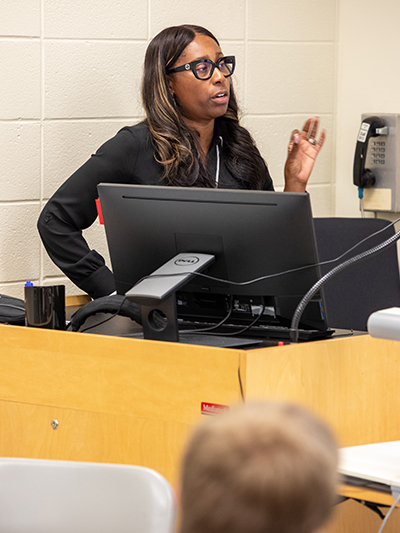
“My journey to Eastern has been shaped by a passion for education, entrepreneurship and creating opportunities for students to see what is possible for their lives and careers. My professional path has allowed me to work across higher education, nonprofit leadership and community-based entrepreneurship programming, and I have always been most energized by helping students connect what they learn in the classroom to real-world experiences.
Eastern appealed to me because of its strong commitment to students, experiential learning and community engagement. I saw an opportunity to bring together the different parts of my professional journey: teaching, research, entrepreneurship and community impact. I am excited to be part of a university where I can help students develop not only the knowledge they need for their careers, but also the confidence, curiosity and entrepreneurial mindset to create opportunities for themselves and others.”
“This semester, I am teaching Entrepreneurship (BUS 351) and First-Year Liberal Arts Seminar courses (LAC 100 and LAC 101).
In Entrepreneurship, I want students to learn how to recognize opportunities, evaluate ideas, understand customers, test assumptions, and develop solutions that create value. More importantly, I want them to understand that entrepreneurship is not only about starting a business. It is also about developing creativity, resilience, problem-solving skills and the confidence to take an idea and move it forward.
In my first-year seminar courses, I hope students develop the skills and mindset they need to be successful throughout college and beyond. We focus on critical thinking, communication, collaboration, self-awareness and connecting their academic experiences to their future goals.
Across all of my courses, I want students to leave knowing that their ideas and experiences matter. My goal is for them to become more confident in their ability to think independently, solve real-world problems, and take ownership of their personal and professional development.”
“My research focuses on entrepreneurship, leadership, and the experiences of Generation Z as they prepare to enter the workforce and create opportunities of their own. I am especially interested in how young people think about entrepreneurship, leadership, career readiness, and decision-making in uncertain environments.
Much of my work explores how entrepreneurship education can move beyond theory and give students opportunities to learn through real-world problem solving, experiential learning, and community engagement. I am also interested in effectuation, leadership development, workforce competencies, and how educators can better prepare emerging generations for a rapidly changing world of work.
In addition to traditional academic research, I enjoy writing teaching cases and developing applied learning experiences that bring complex leadership and entrepreneurship issues into the classroom. Across my research, teaching and community work, I am guided by one central question: How can we better prepare students not simply to enter the future of work, but to help shape it?”
My goal is for [students] to become more confident in their ability to think independently, solve real-world problems, and take ownership of their personal and professional development.
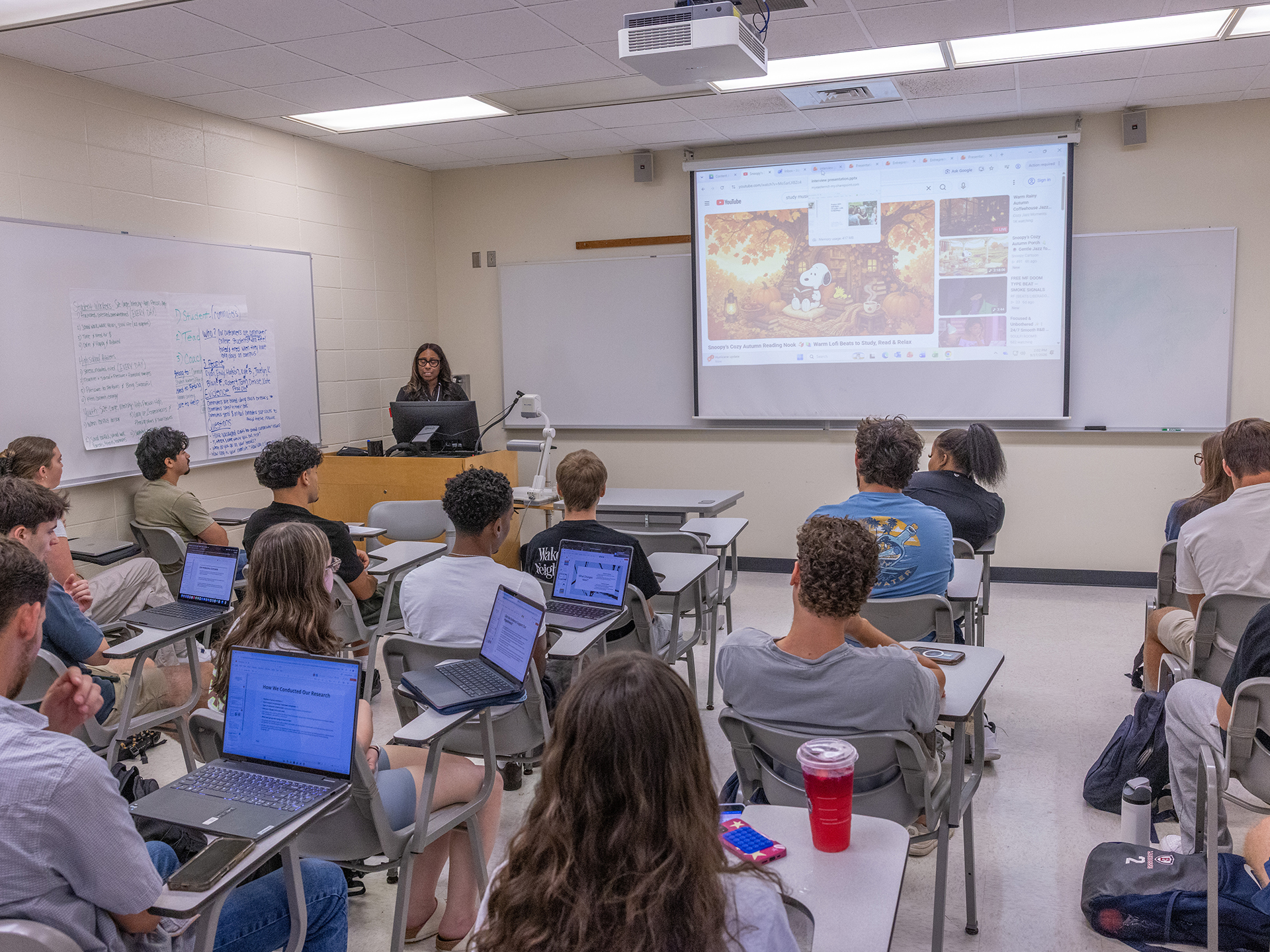
“My first impressions of Eastern have been very positive. I have found the campus community to be welcoming, collaborative, and genuinely student-centered. From my interactions with fellow faculty and staff, there is a strong sense that people care not only about academic success, but also about the overall experience and development of students.
I have also been impressed by the students. They bring different perspectives, experience and goals into the classroom, and I appreciate their willingness to engage, ask questions and challenge themselves.
I would describe Eastern’s campus culture as supportive, approachable and community-oriented. There is a sense of connection here that makes it easy to see why students can feel known and supported. As a new faculty member, I have appreciated the collegiality and the opportunity to become part of a community that values teaching, relationships, and meaningful student engagement.”
“My teaching philosophy is grounded in the belief that students learn best when they are actively engaged in the learning process and can connect course concepts to real-world experiences. I want my classroom to be a space where students are encouraged to ask questions, test ideas, collaborate, reflect, and learn by doing.
I use experiential learning, discussion, simulations, team-based activities, and community-connected projects to help students move beyond simply understanding concepts to applying them. I also believe that students bring valuable experiences and perspectives into the classroom, and part of my role as an educator is to help them recognize the value of their own voice, ideas, and potential.”
“My advice to students interested in entrepreneurship, leadership or business is to remain curious, build relationships, and be willing to start before everything feels perfect. Careers rarely follow a straight line, and some of the most valuable opportunities come from being open to new experiences, taking thoughtful risks, and learning from both success and failure.
I also encourage students to seek internships, mentors, leadership opportunities, and real-world projects that let them apply what they are learning. Technical knowledge matters, but so do communication, adaptability, problem-solving, and the ability to work effectively with others.
Most importantly, I tell students not to underestimate the value of their own ideas and experiences. Your career is not only about finding the right opportunity; it is also about developing the confidence and skills to create opportunities for yourself and others.”
“I encourage students to give themselves permission to grow into their next chapter. Life after college does not always unfold according to a perfect plan, and that is okay. Your first job does not have to be your forever job, and your career path may change as you gain experience, discover new interests, and learn more about yourself.
I also tell students to continue building relationships, seeking mentors, developing new skills, and staying open to opportunities that may look different from what they originally imagined. Professional success is important, but so is building a life that reflects your values, priorities, and sense of purpose.
Most importantly, I want students to remember that graduation is not the end of learning. It is the beginning of a new season where they will continue to grow, make decisions, take risks, and redefine success for themselves along the way.”